Hey, I'm Shameel
Full-stack engineer walking the DevOps path. From Arch Linux to Kubernetes — I build, run, and automate the systems I create.
Modern web apps with React, Next.js, and TypeScript. Type-safe and performant.
Self-hosted Kubernetes cluster. GitHub Actions pipelines. Learning Terraform next.
Leveraging AI & n8n to build autonomous workflows and ship 3x faster.
I didn't start with a CS degree. I started with curiosity and a broken laptop.
Most people discover programming through a structured curriculum. I discovered it by trying to make my computer do things it wasn't supposed to. That broken laptop eventually ran Arch Linux, then a tiling window manager, then a custom framework I built called Barchy. Somewhere along the way, I realized — if I can bend an OS to my will, I can probably build software too.
Fun fact: I daily drive Arch Linux with a custom Hyprland setup. I built Barchy Reborn — a leaner adaptation of Omarchy (the famous DHH setup). Yes, I use Arch. No, I won't stop mentioning it.
Ibelievethebestsoftwareisbuiltbypeoplewhoareannoyedenoughbyaproblemtosolveitthemselves—andstubbornenoughtoshipit.
No bloat. No fluff. Just things that work.
I don't build software to impress other engineers. I build it to make someone's Tuesday afternoon slightly less painful. Whether that's a retail manager tracking inventory across 5 branches, or a college superintendent generating exam seating for 2000 students — if the tool saves them time and headache, I've done my job.
My operating philosophy is borrowed from my Linux setup: if it doesn't serve a purpose, it doesn't belong. Every function, every component, every line of YAML.
I'm not where I want to be. But I'm building toward it.
Most devs deploy to Vercel and forget about it. I chose the harder path — a self-hosted Kubernetes cluster on a Sony VAIO, sitting on my desk. Pi-hole for DNS. PocketBase for backends. Tailscale for zero-trust access. GitHub Actions that build containers and deploy through encrypted tunnels. No cloud dashboard. No vendor lock-in. Just me, Arch Linux, and a lot of YAML.
The cluster crashed at 2 AM last week. I learned more from that incident than any tutorial could teach. That's the point — I'm building in public, failing forward, and documenting the journey.
IrunaKubernetesclusteronaSonyVAIOinmybedroom.IthandlesCI/CD,DNSblocking,andmyoccasional2AMtroubleshootingsessions—allpartofthelearning.
Things I've built that actually ship.
Real tools solving real problems for real people. Not proof-of-concepts that never launched.
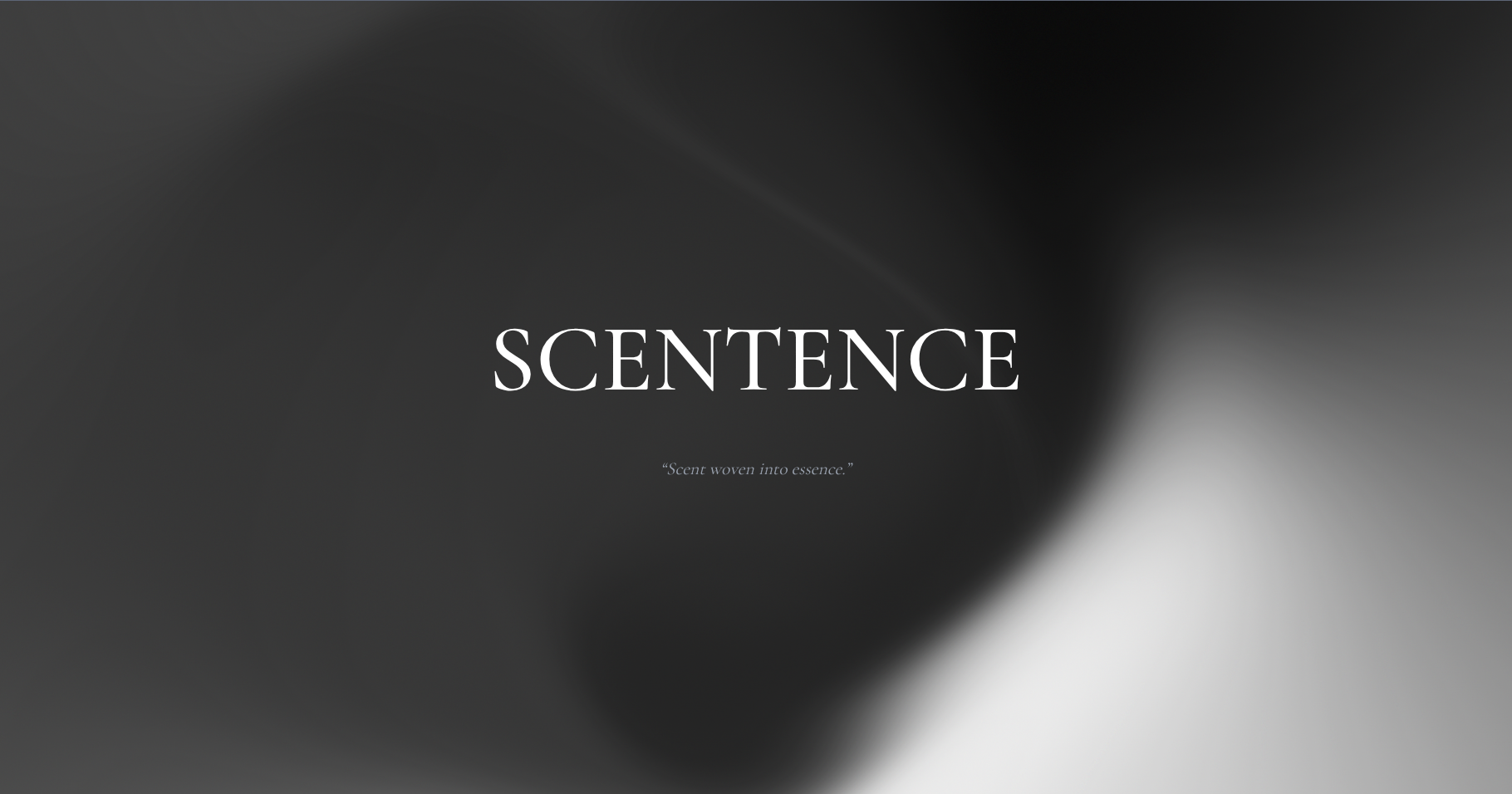
Premium Fragrance E-commerce
 Next.js 16
 TypeScript
 Three.js/R3F
 Supabase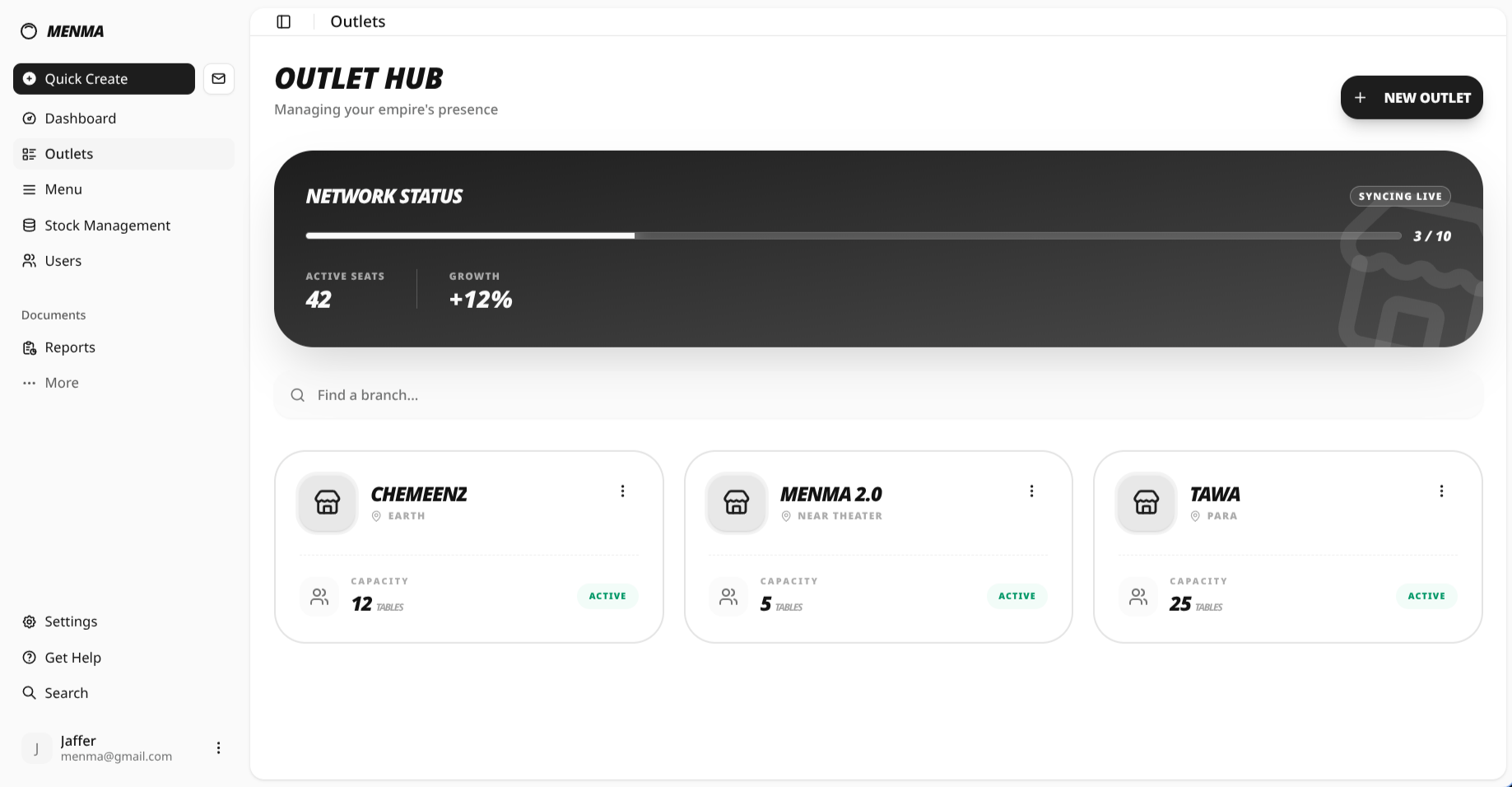
Real-time Inventory SaaS
Next.js 15TypeScriptSupabase Realtime
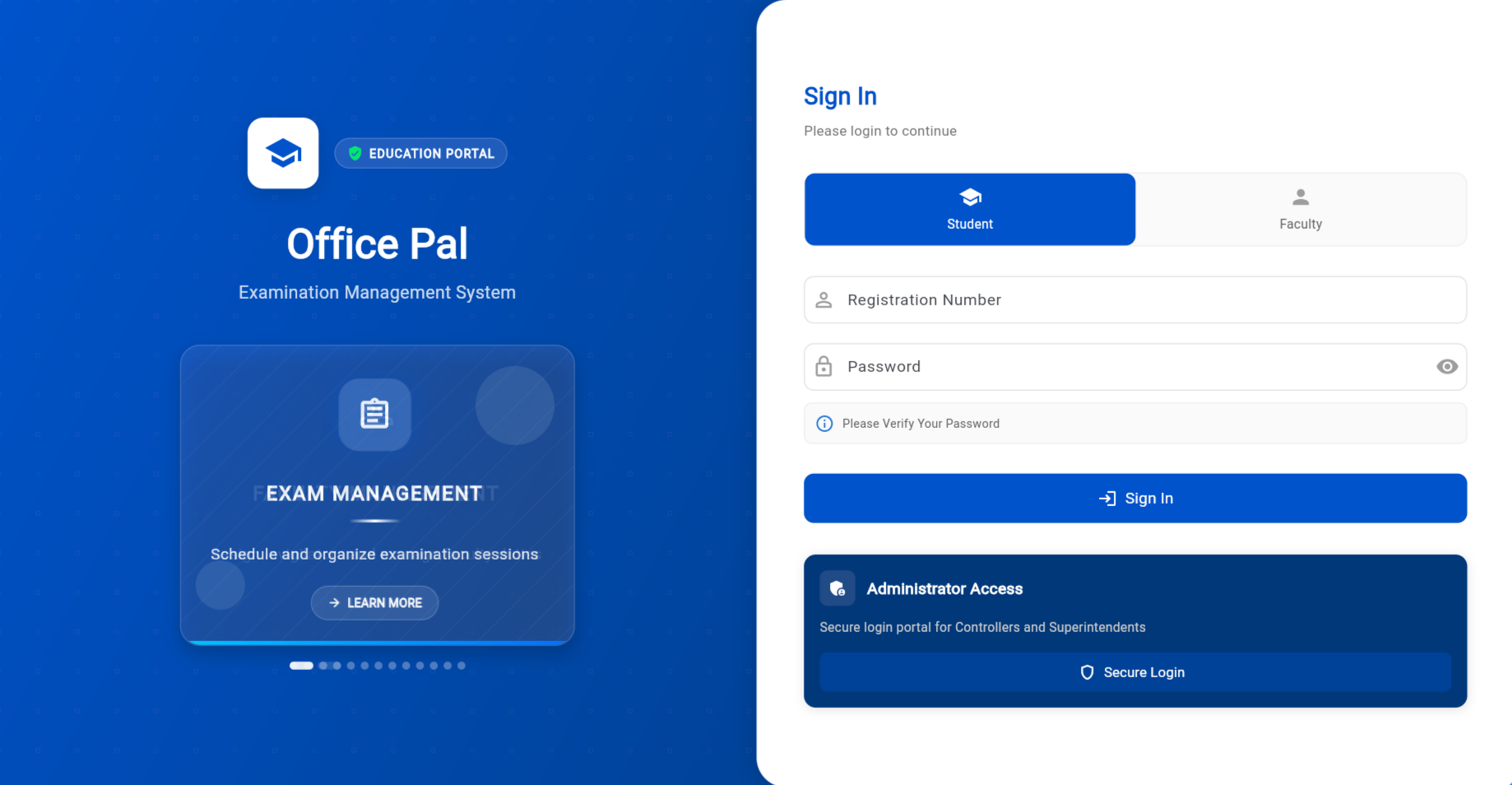
College Management System
 FlutterSupabase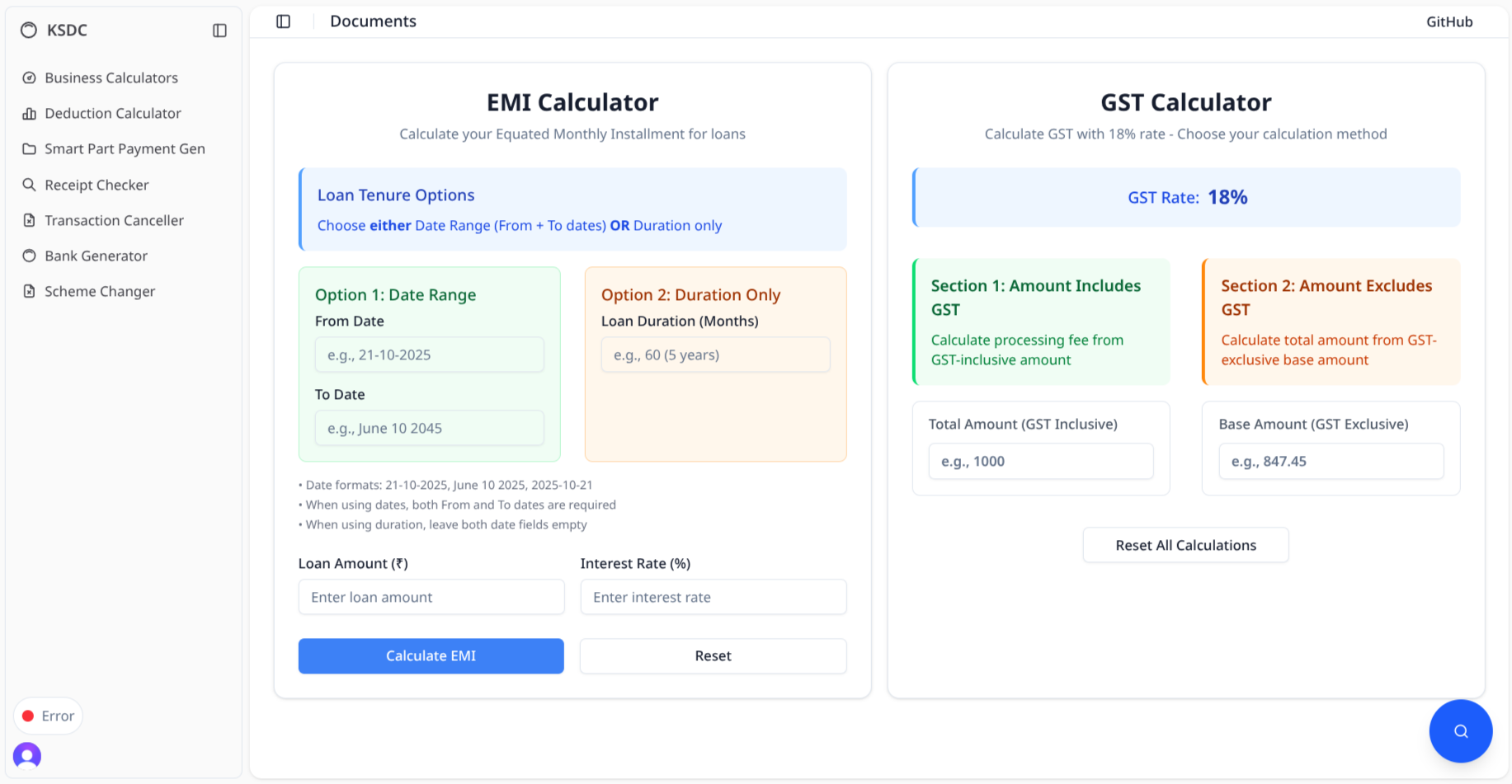
SQL Command Generator
ReactTypeScript Node.js
Zero-Config Tunneling
 Python
 Docker
 Cloudflare
My code deploys itself.
GitPush → GitHub Actions builds container → Tailscale encrypted tunnel → self-hosted K8s cluster. No cloud dashboard. No vendor lock-in. Just a homelab and a lot of YAML.
Next: Terraform, then cloud. One step at a time.
The Homelab Journey
A Sony VAIO on my desk running Arch Linux. Full K8s cluster, Pi-hole, PocketBase, Tailscale — all self-hosted. Some people have gaming setups. I have a real production environment I built from scratch. Still learning. Still growing.
AI doesn't replace me. It makes me dangerous.
I use AI as a force multiplier, not a crutch. Claude for architectural decisions and code review. GitHub Copilot for boilerplate I'd rather not type. n8n workflows that automate the boring parts of development and operations. The result: I ship at the speed of a small team while maintaining the quality standards of someone who actually reads their own diffs.
This entire portfolio was built in a single AI-augmented session. The design system, the animations, the storytelling — all coordinated between human taste and machine throughput.
I pick the right tool, not the trendy one.
Next.js when I need SSR and speed. Flutter when the client wants one codebase for mobile. Supabase when I need real-time without the Firebase lock-in. Python when I need to automate something quickly. And Kubernetes when I need to feel something. The point isn't the stack — it's knowing which tool solves the problem without creating three new ones.
I once automated a college's entire exam seating arrangement with an algorithm that ensures no two students with the same exam sit adjacent. The superintendent who used to do this by hand thanked me. Then asked if I could also automate attendance.
ReactNext.jsTypeScriptFlutterSupabase PostgreSQLPythonDockerKubernetes
 Tailwind CSSNode.jsMSSQL
 GitHub ActionsCloudflare
 Tailscale
 Arch Linux
 Hyprland
 n8n
n8nFast loading. Accessible. Built right.
Performance isn't optional — it's a feature. This site scores 100 on Lighthouse with proper ARIA labels, keyboard navigation, and semantic HTML. Because fast loading and accessibility reflect engineering discipline.
Keyboard test: Try navigating the whole page with just Tab. Every interactive element should be reachable and have clear focus states.
SEO-optimized. Indexed. Found.
Open Graph tags, JSON-LD structured data, semantic HTML, and proper meta descriptions so recruiters and search engines can find you. This page is built to be crawled, not just seen.
Built with: Astro SSG, React, Tailwind CSS v4, and Framer Motion. Zero runtime JavaScript bloat, 100% Lighthouse score.
Enough about me.
Let's connect.
I'm always open to discussing new projects, creative ideas, or opportunities to be part of your vision.
This form is handled by a PocketBase instance inside a Kubernetes pod, humming away on a Sony VAIO in my bedroom.